

Every rainy season, Ghana faces the same uncomfortable question: Why does rain continue to turn parts of our cities into disaster zones?
The answer is not simply that it rains heavily.
The bigger issue is whether our infrastructure, drainage systems and urban planning are designed for the realities of today’s cities.
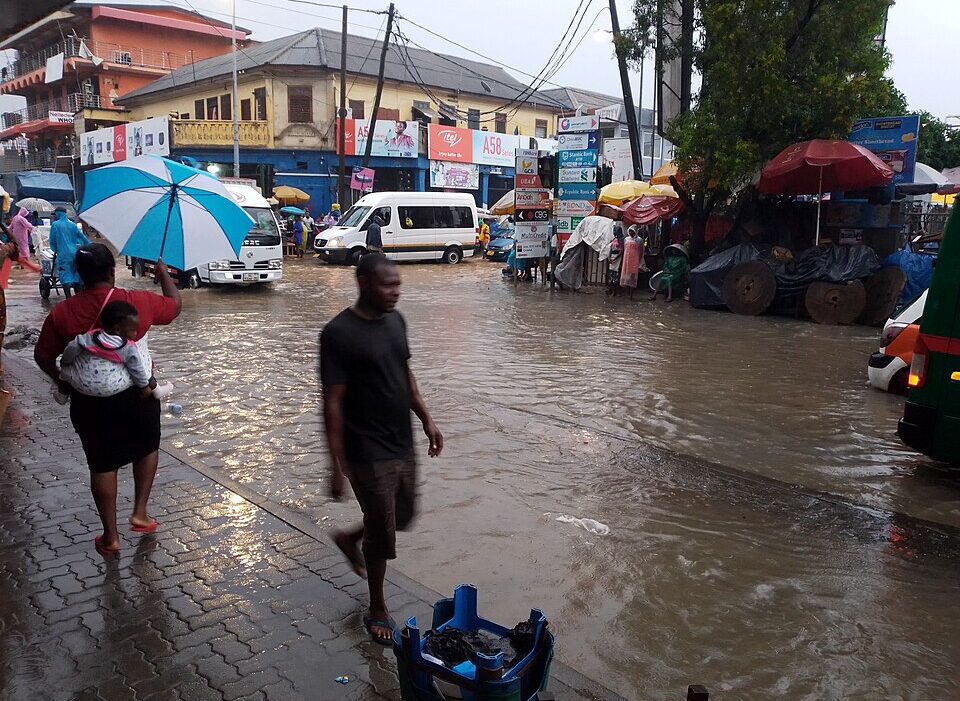
The floods of 29 June 2026 provided another painful reminder. Heavy rainfall caused widespread flooding across Accra, Tema and surrounding communities, disrupting transport, damaging property and affecting businesses and households. By the following day, 38,802 people had been affected and 7,761 households displaced across 18 assemblies in Greater Accra.
These figures should push Ghana towards a different approach: flood management must begin before the water arrives.
Flooding Is an Infrastructure Problem
Heavy rainfall is a natural phenomenon, but the scale of its impact is often influenced by human decisions.
Where we build, how we build, how we manage waste, whether waterways remain open and whether drainage systems have adequate capacity all affect flood risk.
Following the June floods, President John Dramani Mahama directed local assemblies to identify structures obstructing major drainage channels and called for engineering solutions to improve the flow of stormwater.
The message is clear: flood prevention requires more than emergency relief. It requires engineering, planning and maintenance.
Are We Designing for Today’s Cities?
Ghana’s cities have changed dramatically. Accra has expanded, more land has been paved, more buildings have been constructed and natural areas that once absorbed stormwater have come under pressure.
In June 2026, the Ghana Institution of Engineering called for a major overhaul of Ghana’s stormwater-management approach, pointing to rapid urbanisation, increased paved surfaces, waste management challenges and changing rainfall patterns.
This raises an important construction question:
Are we designing today’s infrastructure using yesterday’s assumptions?
We Need Smarter Drainage
Flood management is not simply about constructing bigger open drains. Different locations require different solutions, including:
- Underground and box culverts
- Larger stormwater channels
- Properly designed bridges and culvert crossings
- Retention and detention areas
- Improved road drainage
- Protection of wetlands and natural waterways
- Regular desilting and maintenance
Underground culverts deserve particular attention in densely developed areas where open drains require significant space or are easily obstructed.
But bigger infrastructure is not automatically better infrastructure. The goal should be the right capacity in the right location, based on proper hydrological and engineering assessments.
Roads and Drainage Must Work Together
Road construction and drainage cannot be treated as separate projects.
A poorly designed drainage system can shorten the life of a road, while inadequate culverts can turn road crossings into flood bottlenecks. Poorly managed runoff can also damage road shoulders and surrounding structures.
Drainage must therefore be incorporated from the earliest stages of road design rather than treated as an addition after construction.
The Economic Cost
Flooding is not only an environmental problem. It is an economic one as well.
When roads become impassable, workers cannot reach their workplaces. When markets flood, traders lose stock. When businesses close, productivity falls. When public infrastructure is damaged, the government must spend additional resources on repairs.
The June floods demonstrated how quickly flooding can disrupt economic and social activity.
Flood-resilient infrastructure is therefore economic infrastructure.
Building Beyond Completion
The construction industry must also look beyond project completion.
A successful infrastructure project should not only answer, Was it built? It should answer:
Will it perform as designed?
Will it withstand extreme weather?
Can it be properly maintained?
Will future development undermine its function?
A drainage channel without maintenance can become blocked. A culvert without sufficient capacity can become a bottleneck. A road without adequate drainage can deteriorate faster.
Infrastructure must therefore be designed with its entire lifecycle in mind.
Building for an urbanised community
Ghana is urbanising. Our cities will have more people, buildings, roads and commercial activity, placing greater pressure on land and infrastructure.
The answer is not to stop development. It is to build differently.
Build with rainfall in mind.
Build with drainage in mind.
Build with maintenance in mind.
Build with the future in mind.
The June 2026 floods should therefore be remembered not only as a disaster but also as an infrastructure lesson.
A country’s construction future must be about more than putting concrete and steel in the ground. It must be about building infrastructure that remains functional when conditions become difficult.
For a country investing in roads, bridges, drainage and urban development, resilience should not be an optional feature but rather be part of the design.